.svg)
A complete history of golf

A complete history of golf
Few sports carry as much history as golf. From a windswept Scottish coastline in the 1400s to the clifftop fairways of the Costa Smeralda, the game has travelled further - and accumulated more stories - than almost any other. If you're planning a golf trip to Sardinia, understanding where the game came from adds something to the experience. You're not just playing a sport; you're stepping into a 600-year conversation between landscape and player.
The beginning: Scotland, sheep, and royal bans
The first written record of golf is a prohibition. In 1457, the Scottish Parliament under James II banned the game because shepherds were abandoning archery practice - the country's military priority - to knock stones into rabbit holes along the coast. That such a ban was necessary tells you the game was already popular enough to be a problem.
Whether the Scots invented golf or adapted a stick-and-ball tradition from the Dutch game of kolf is still debated by historians. What isn't debated is that the linksland of Scotland's east coast - firm, sandy, wind-lashed, and covered in natural hazards - gave the game its essential character. The word "links" itself comes from the Old English hlinc, meaning rising ground, and describes exactly the kind of coastal terrain where golf first became recognisable as golf.
The ban didn't last. By the time James VI of Scotland became James I of England in 1603, the game had royal patronage at the highest level. Mary Queen of Scots, who reportedly played at St Andrews in 1567, is sometimes described as the first female golfer in recorded history. Her attendant at that time - one of her French pages - may also be the origin of the word "caddie," from the French cadet, meaning a junior assistant.
The rules are written: Edinburgh, 1744
For its first few centuries, golf had no universal rules. Each course operated on local custom. That changed in 1744 when the Honourable Company of Edinburgh Golfers drafted the first codified rules of the game - thirteen of them, to govern a competition played on the Leith Links for a silver club prize.
A decade later, the St Andrews Society of Golfers (which would eventually become the Royal and Ancient Golf Club) wrote its own rules, and a consensus began to form. The 18-hole round - now the universal standard - emerged from St Andrews in 1764, when the club merged some of its shorter holes for practical reasons. It is one of the great accidents of sporting history: the Old Course's particular geography gave the world its most enduring athletic format.
The introduction of the gutta-percha ball in the 1840s - cheaper and more durable than the leather-stuffed "feathery" - democratised the game significantly. For the first time, golf was not exclusively the preserve of those wealthy enough to afford hand-sewn balls.
Global expansion: the empire takes its clubs
The nineteenth century carried golf across the world. The British Empire brought the game to India, Australia, South Africa, and North America, often in the form of officers and officials who refused to leave their clubs behind. Royal Calcutta Golf Club, founded in 1829, is the oldest golf club outside Britain. The United States got its first permanent course in the late 1880s, and the game grew rapidly among the American upper class.
The Open Championship - golf's oldest major - was first played at Prestwick, Ayrshire, in 1860, won by Willie Park Sr with a score of 174 over 36 holes. It has been played every year since, with exceptions only for the two World Wars.
In Europe, the game arrived via British tourists and expatriates who holidayed along the French Riviera and northern Italian coast. Italy's first golf clubs appeared in the 1880s, catering to wealthy British travellers and the international aristocracy that gathered seasonally in the Mediterranean. The idea that spectacular scenery and golf belonged together - that a round was not merely a game but an aesthetic experience - was already taking shape.
The professional era: television, superstars, and the globalisation of the game
The twentieth century turned golf into a global sport in the modern sense. The four majors - The Open, the US Open, the Masters, and the USPGA Championship - became defining events in the sporting calendar. Ben Hogan's comeback from a near-fatal car crash in 1949 to win the US Open in 1950 became one of sport's great stories. Arnold Palmer's television-friendly charisma in the late 1950s and 1960s brought the game to mass audiences for the first time, and Jack Nicklaus' 18 major titles set a standard that defined ambition for decades.
Alongside the professional game, the leisure and travel industry discovered golf. The 1960s and 1970s saw purpose-built resort courses appear across Europe's sunbelt: the Algarve, the Costa del Sol, and - crucially - Sardinia.
Sardinia enters the story
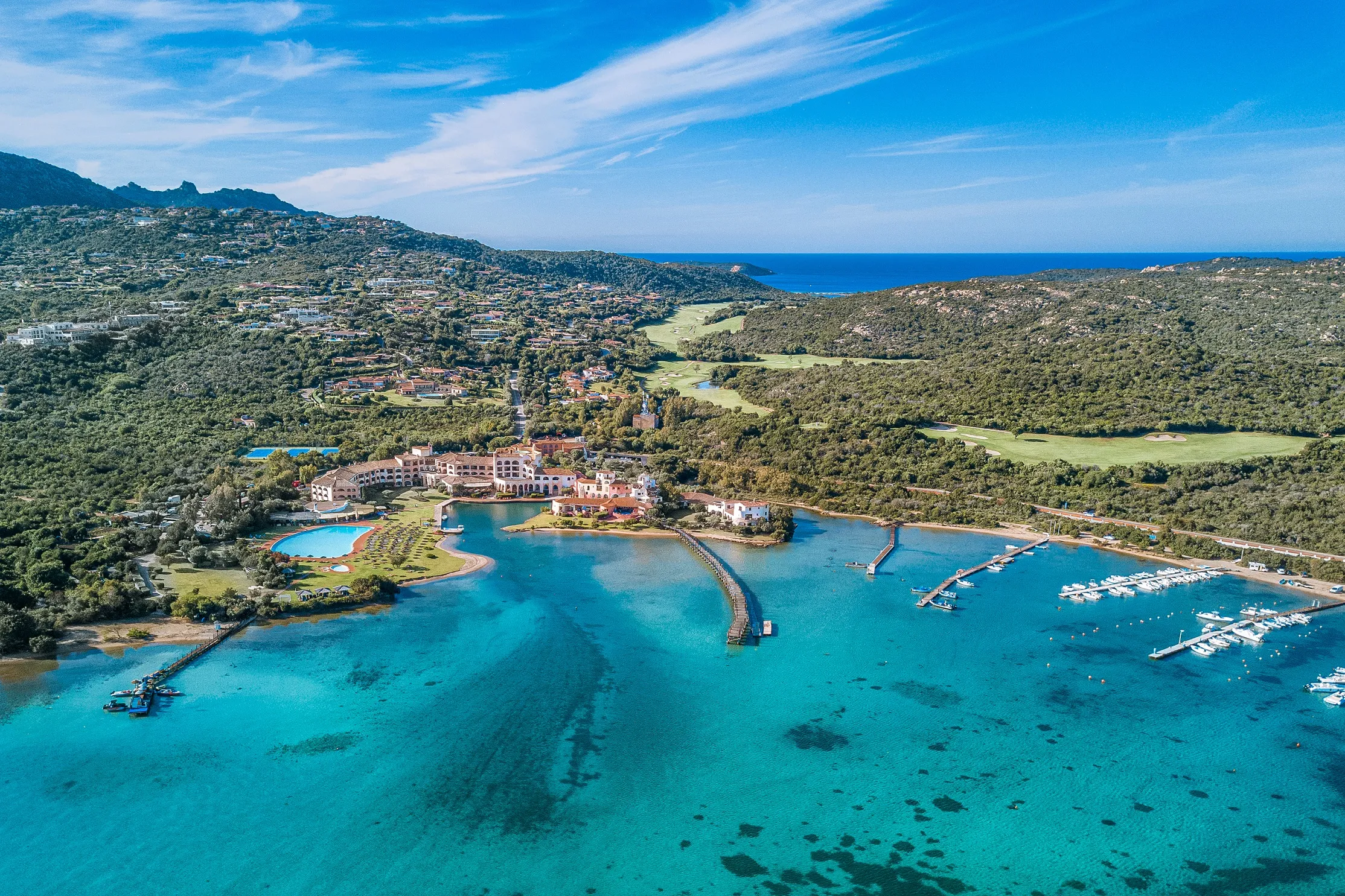
In 1962, the Aga Khan IV purchased land on the northeastern coast of Sardinia and began developing what would become the Costa Smeralda - one of the world's most exclusive resort destinations. Hotels, marinas, and restaurants followed. So did a golf course.
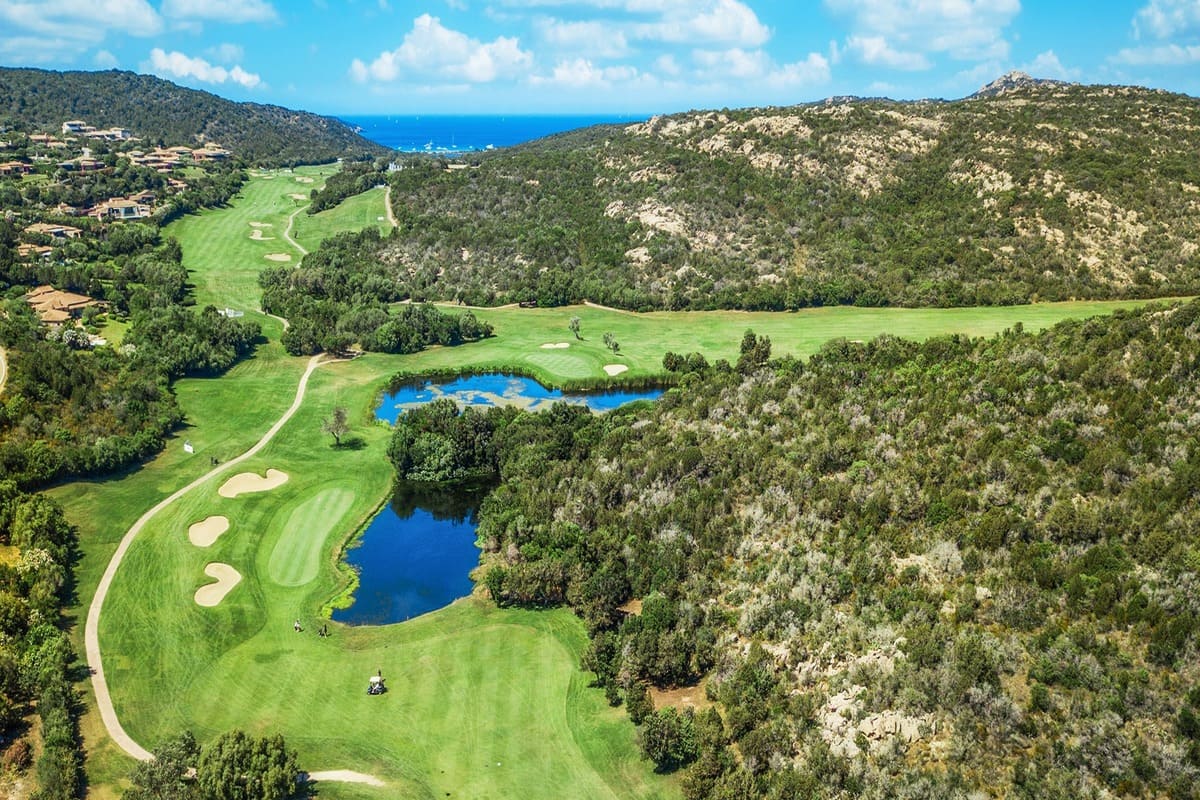
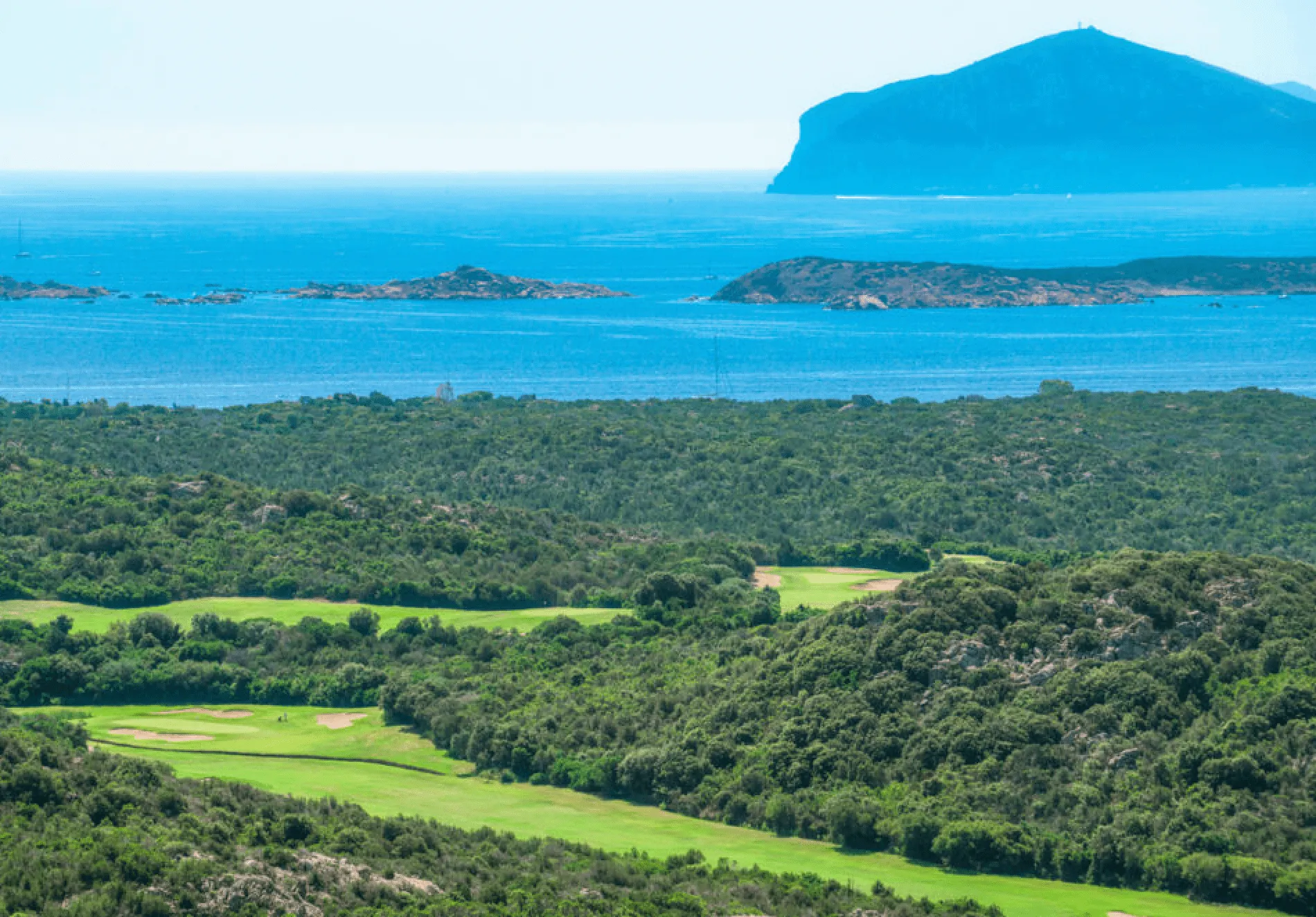
The Pevero Golf Club opened in 1972, designed by Robert Trent Jones Sr, the American architect who had shaped courses from Hazeltine to Spyglass Hill. Trent Jones chose one of the most dramatic sites in European golf: a natural amphitheatre of granite and Mediterranean scrub above the Gulf of Pevero, with sea views on almost every hole. Playing Pevero today remains an experience that belongs to a very short list of things you can only do in one place on earth.
Pevero was not the last. Is Molas, near Pula in the southwest, opened in 1975 on a flat coastal plain suited to a classical parkland design. Is Arenas Golf & Country Club, in the northwest, is built through a protected pinewood alongside a vast dune system - one of the most unusual and ecologically significant golf settings in the Mediterranean. Puntaldia, Tanka, Villasimius, and others followed, until Sardinia reached its current complement of nine courses, each with its own character and its own relationship to the landscape.
Golf today: experience over exclusivity
Tiger Woods' dominance from the late 1990s onwards introduced a new generation to the sport and accelerated its globalisation. But the bigger shift has been in how recreational golfers think about the game. Today's travelling golfer - and particularly the British, German, and Scandinavian players who make up the majority of golf tourism in Europe - prioritises the whole experience: the setting, the food and wine, the accommodation, the culture, the feeling of playing a course that exists nowhere else.
Sardinia fits this moment almost perfectly. Its courses are uncrowded by the standards of better-known European destinations. Its landscape - the macchia, the granite outcrops, the colour of the sea - is unlike anything in Portugal or Spain. Its food is extraordinary. And its nine courses offer genuine variety, from the resort grandeur of Pevero to the wild dune character of Is Arenas, within an island small enough to explore thoroughly in a week.
The history of golf, which began with Scottish shepherds neglecting their archery, has taken a very long time to reach the Costa Smeralda. It was worth the wait.
Ready to play Sardinia? Browse all nine courses, compare green fees, and plan your itinerary with Solendra.
More Sardinia Golf Travel Articles
Browse guides on golf courses, resorts, seasons, and holiday planning in Sardinia.

The Sardinian Golfer Who Found His Passion at 55
A complete history of golf
Your guide to the most affordable golf courses in Sardinia for 2026.
Golf Holidays in Sardinia: The Complete 2026 Planner
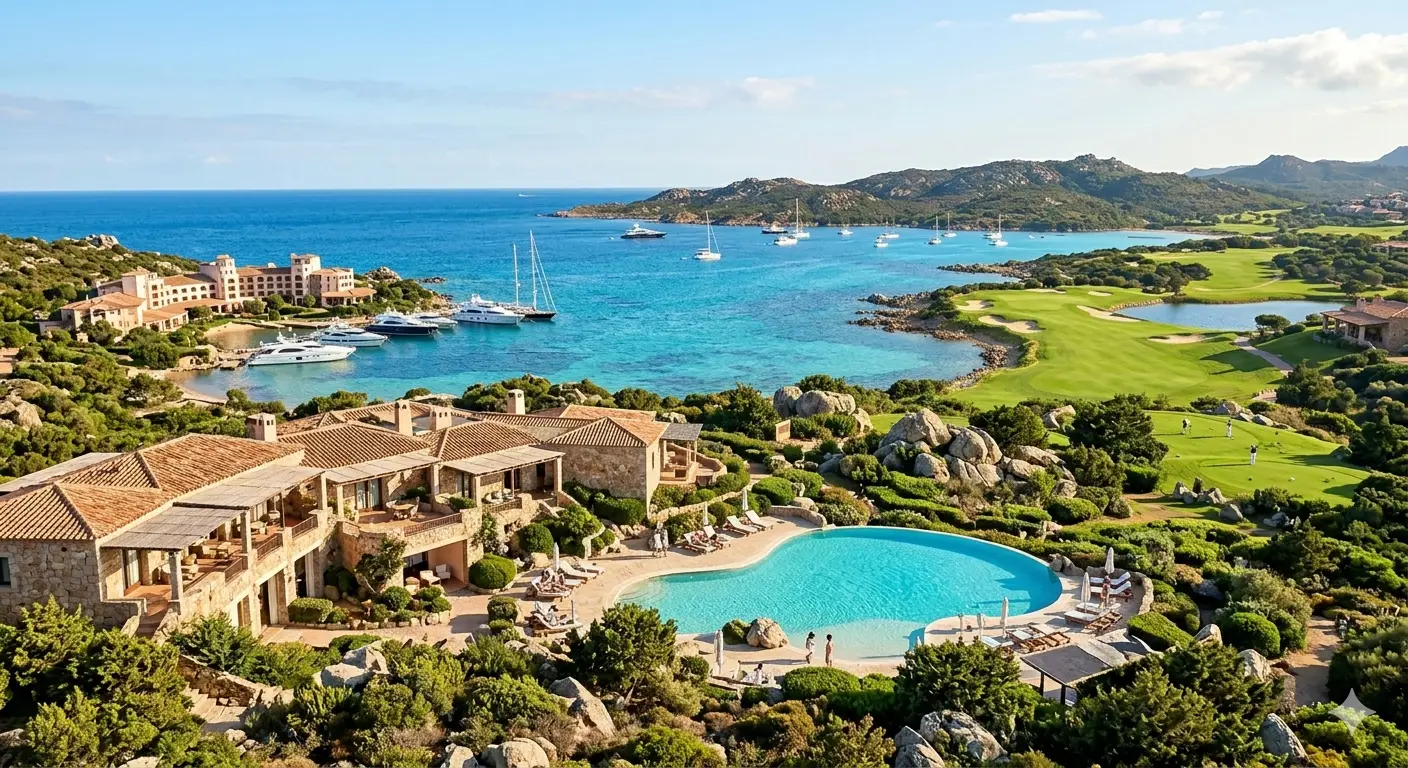
Where to Stay Near Pevero Golf Club: Best Hotels & Areas (2026)
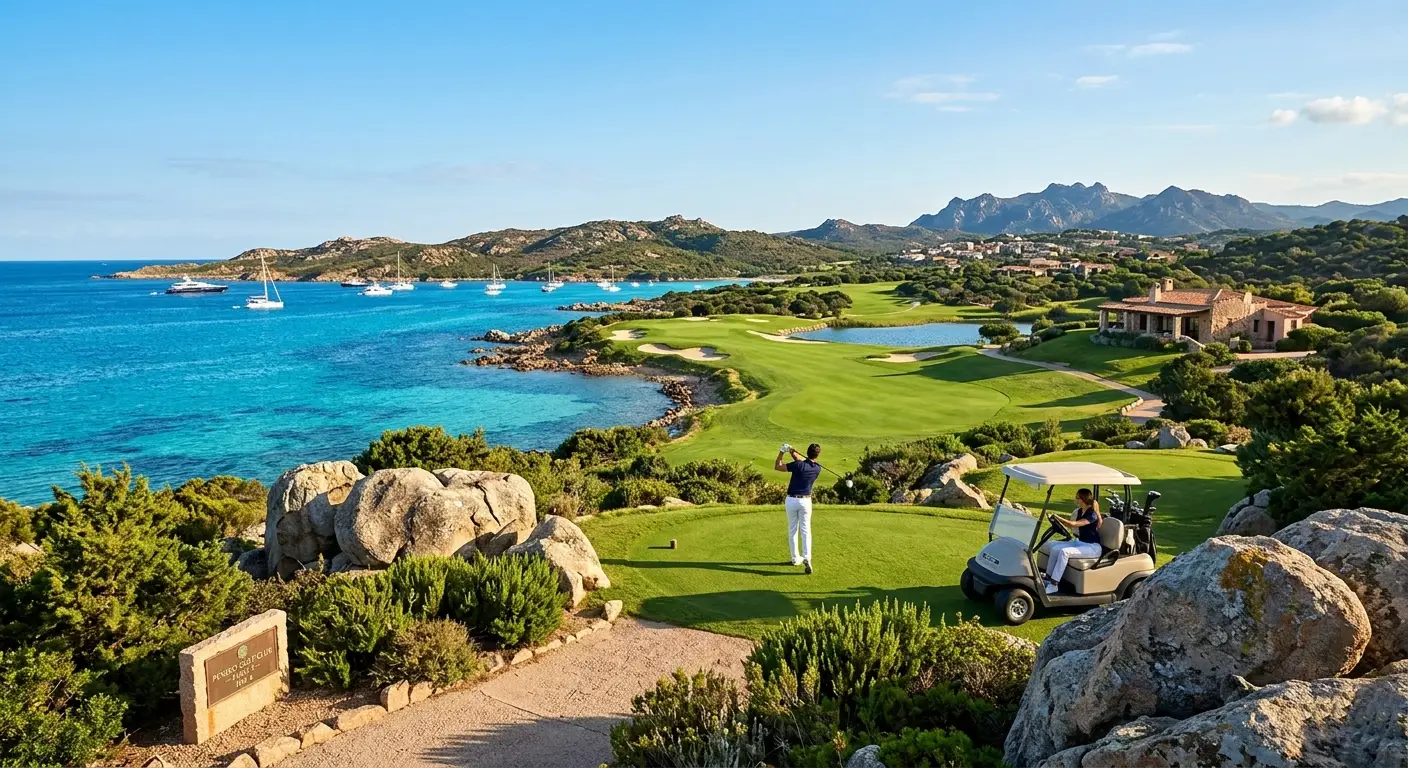
The Emerald Fairway: Best Golf Courses in Sardinia (2026 Guide)
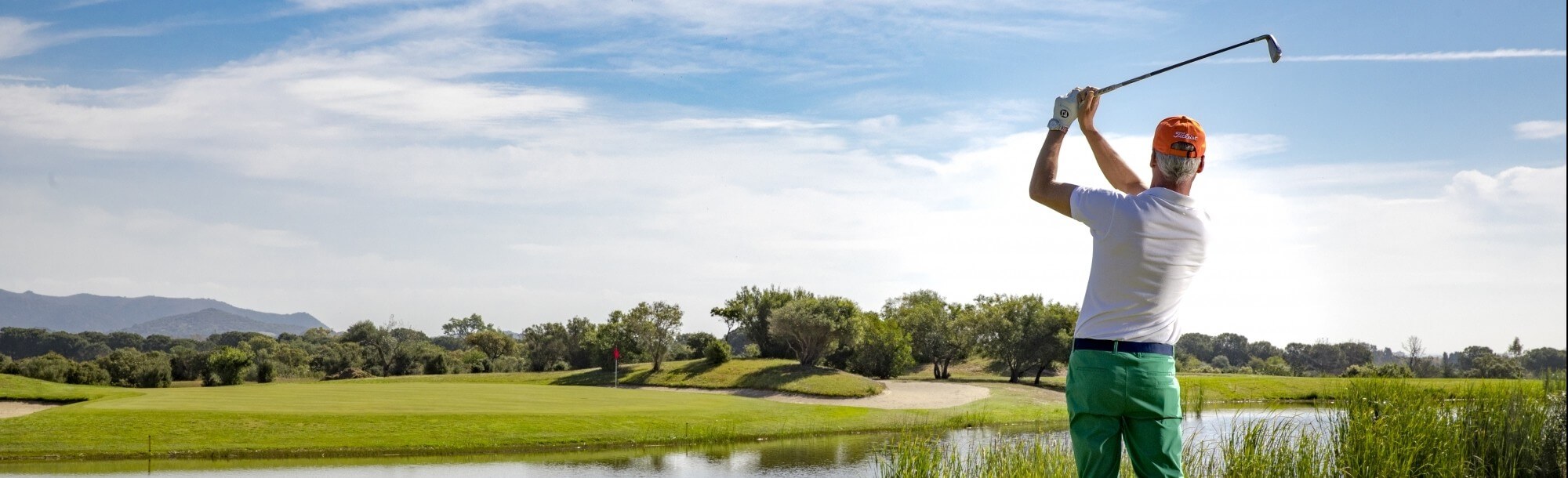
Is Molas Golf Club: A Sardinian Golfing Escape You Shouldn’t Miss
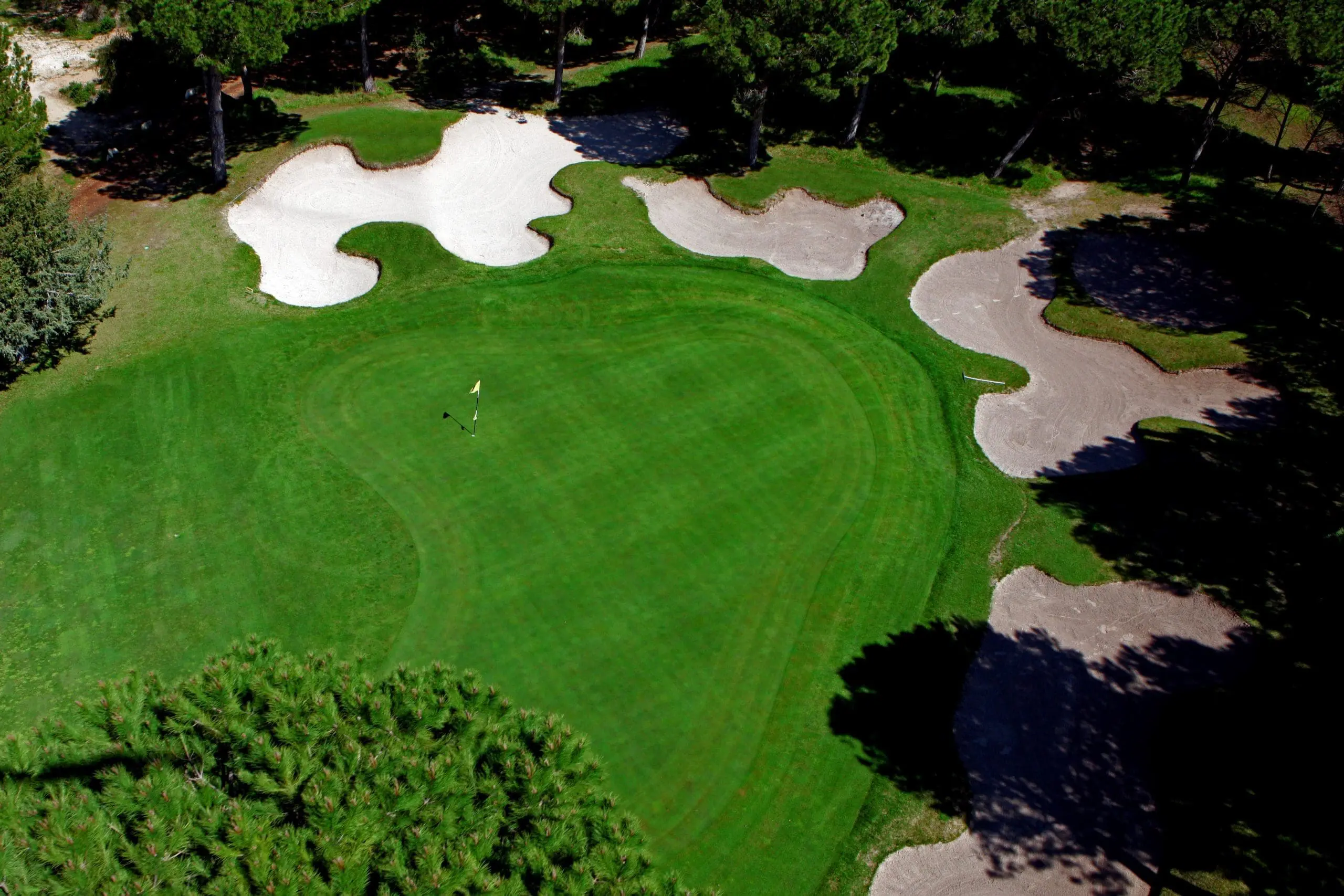
Is Arenas Golf & Country Club - The Complete Visitor Guide 2026

Botanic Golf Sacuba Resort | Luxury Golf Experience in Olbia, Sardinia
Pevero Golf Club - The Complete Guide for Visitors 2026
Best Time to Play Golf in Sardinia: Weather, Seasons & Travel Tips (2026 Guide)